- United States (USD $)
 Best Sellers


 All products
 Shop by category


 Bundles
✦
Help me choose
Take the quiz [1 min.]
Bundles
✦
Help me choose
Take the quiz [1 min.]

Helping Kids Handle Moves, New Schools, and Big Changes
Change is scary for young minds. Use these discussion tools to provide stability during times of big change.

>
>
TL;DR
-
Navigating life transitions kids face requires structured conversational support.
-
Moving to a new school triggers hidden emotional stressors.
-
Regular, guided family dialogue helps kids cope with change.
-
Structured discussion tools build long-term psychological resilience.
How can I help my child handle big life changes like moving to a new school?
You can help your child navigate major transitions by creating a dedicated, safe space for structured emotional expression and open dialogue. By shifting away from interrogative questioning and utilizing intentional conversation tools, parents can ground anxious children and establish consistent household stability. This intentional communication reframes overwhelming environmental shifts into predictable, manageable milestones that foster long-term emotional resilience.

Overcoming the Hidden Stress of Childhood Transitions
An unexpected relocation, transitioning to a middle school environment, or navigating altered family structures can leave children feeling completely uprooted. When young minds encounter massive disruptions, they rarely possess the advanced vocabulary needed to express their internal anxiety, often causing them to withdraw into quiet isolation or act out behaviorally. During these times of high stress, standard check-ins like asking how school went often hit a wall of defensive, one-word responses.
Parents frequently struggle to break through this barrier, mistakenly relying on repetitive, high-pressure questions that inadvertently feel more like an interrogation than a supportive conversation. Without a deliberate, low-friction intervention to unearth these hidden feelings, the emotional disconnect between parents and children deepens, paving the way for downstream behavioral issues, academic avoidance, and a pervasive sense of loneliness within the home.
★★★★★ 1M+ happy customers
Our best conversation starters for romantic questions for couples
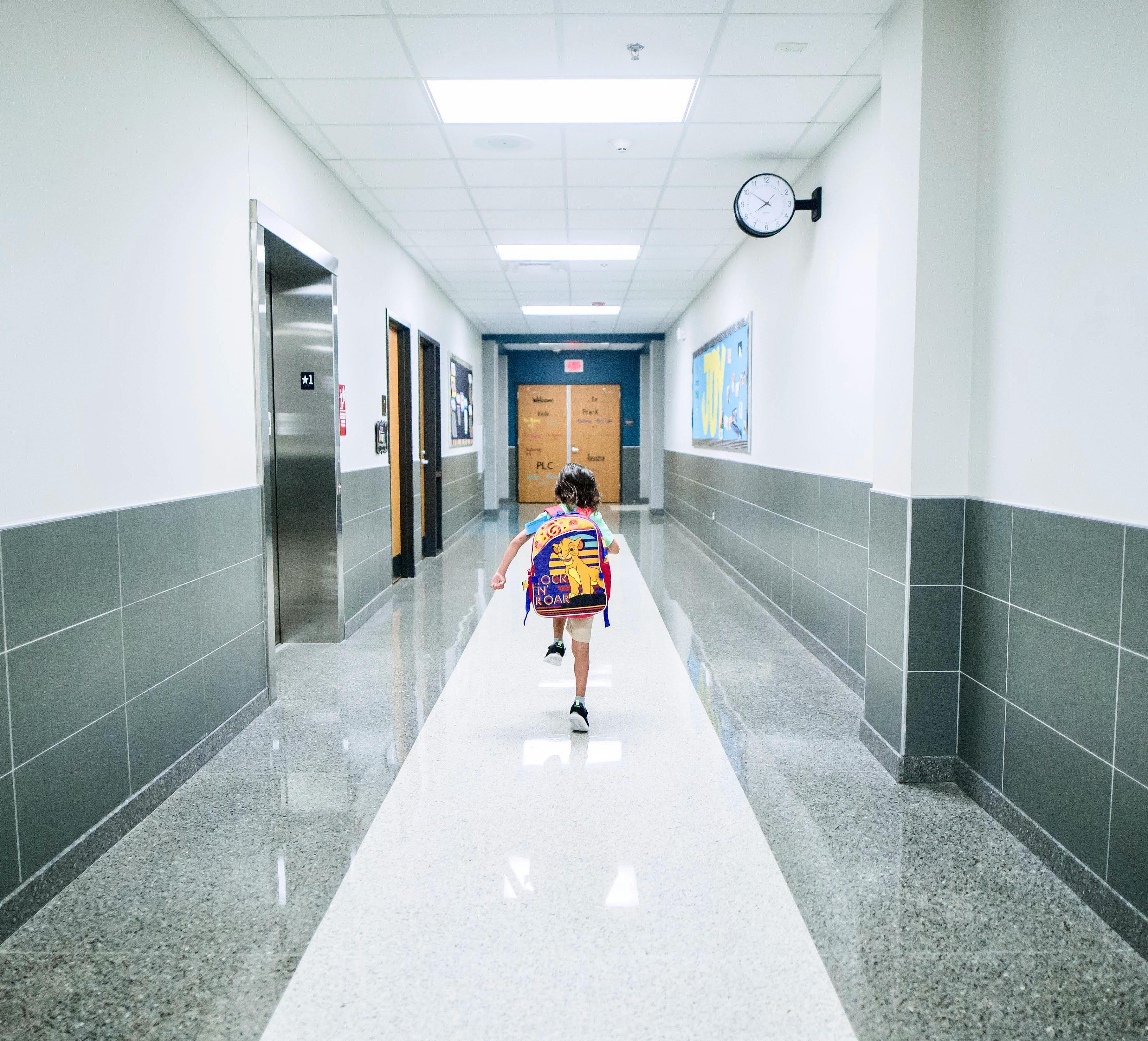
The Long-Term Impact of Unaddressed Anxiety
When a child internalizes the stress of moving to a new school or coping with complex family shifts, the long-term psychological fallout can quietly ripple through every single corner of their daily life. This unaddressed anxiety routinely manifests as chronic school refusal, sudden academic decline, disrupted sleep patterns, and a complete withdrawal from previously loved peer groups. If parents fail to establish a reliable verbal release valve during these pivotal moments, children often construct rigid emotional walls, learning to suppress their vulnerabilities rather than process them.
Over time, this defense mechanism morphs into an ongoing struggle with self-doubt and social anxiety, ultimately weakening the foundational family bond when open communication is needed most. Learning how to get kids to talk through these compounding obstacles is absolutely vital to preventing adolescent isolation.
Fostering Connection Through Low-Friction Routines
Protecting your child through these daunting moments requires deep empathy, patient reassurance, and a structured, low-friction routine that makes sharing vulnerabilities feel entirely safe. Recognizing that big emotional adjustments can feel incredibly overwhelming allows you to stop forcing heavy, high-pressure serious talks and instead seamlessly introduce comforting, game-like discussion prompts into your normal evening routine.
Embracing consistent emotional intelligence kids thrive on helps transform unpredictable household tension into a predictable, connecting habit. By shifting from unstructured, intimidating face-to-face cross-examinations to collaborative, lighthearted verbal exploration, you naturally lower their psychological defenses and build an unshakeable sense of safety. Discovering proactive ways to foster resilience in children ensures your family handles every unexpected transition as an aligned, supportive team.
A Lifeline During Our Cross-Country Move
"Our ten-year-old completely shut down when we relocated across the country last fall. This resource gave us a gentle, zero-pressure way to uncover his specific fears about making new friends without making him feel defensive."
Mickey EDiscovering proactive ways to foster resilience in children
Transformed Our Anxious Bedtime Routine
"Switching schools threw my daughter into a spiral of intense evening worry and sleep anxiety. Using these thoughtful prompts every night completely shifted her mindset, helping her process her big feelings so she could finally sleep peacefully."
Melanie P
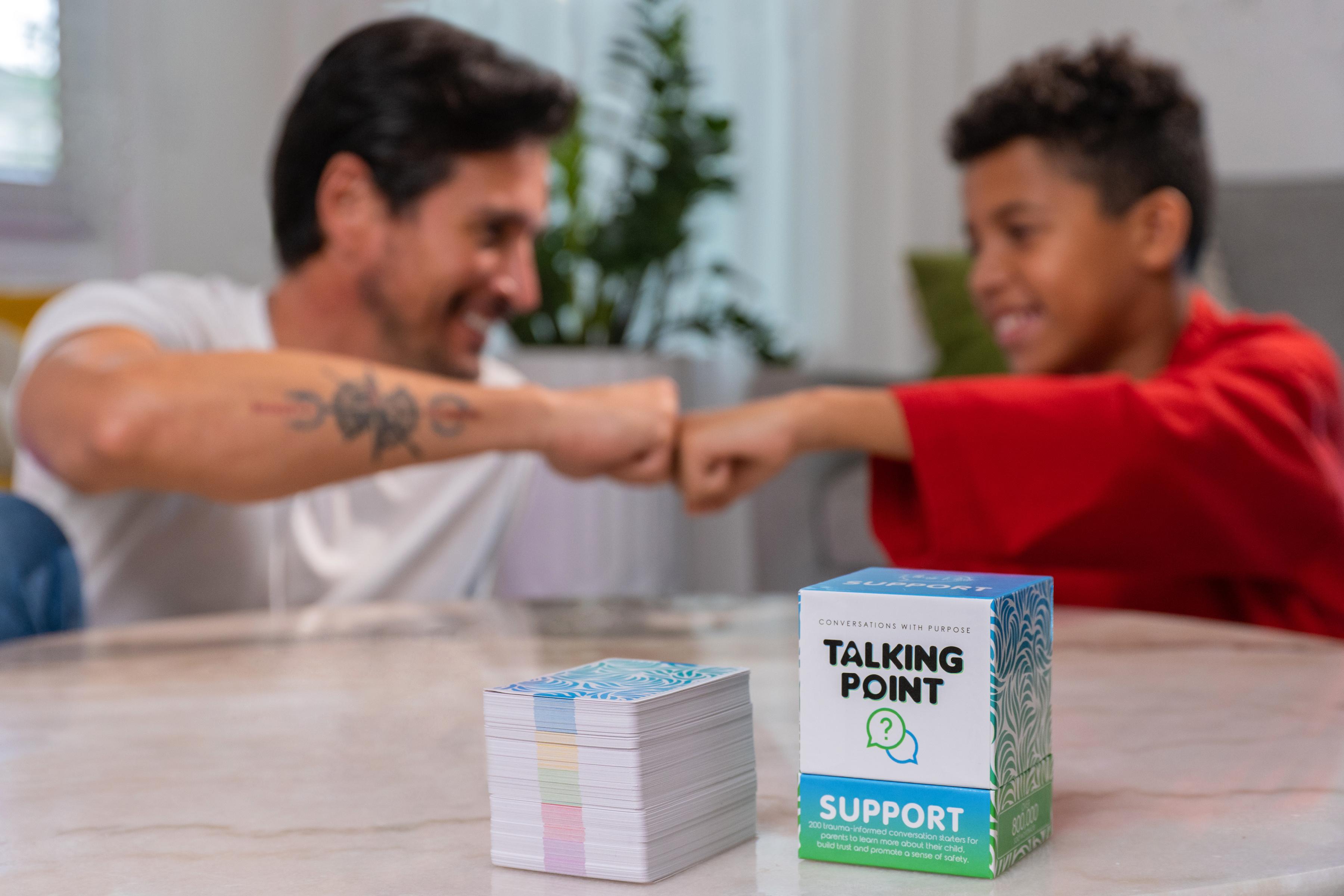
Empower Your Child's Journey
The absolute best way to anchor a child through the chaotic storm of major life changes is to provide them with a reliable, structured platform to speak their truth. Do not wait for behavioral warning signs or academic anxiety to take root before you begin building an open emotional runway.
Bring the Support pack home today to actively transform daunting life transitions into powerful, bonding milestones that strengthen your family connection for a lifetime.
Frequently asked questions
60-day hassle-free returns
Ready to give Talking Point Cards a try? We think you’ll love them, but if not, you’ve got 60 days to return them for free.