- United States (USD $)
 Best Sellers


 All products
 Shop by category


 Bundles
✦
Help me choose
Take the quiz [1 min.]
Bundles
✦
Help me choose
Take the quiz [1 min.]

Raising Kind and Caring Kids in a Busy World
Use targeted questions to help your child put themselves in someone else's shoes and develop real kindness.

>
>
TL;DR
-
Build emotional intelligence through intentional daily questions.
-
Nurture lifelong kindness with simple family conversation cards.
-
Teach screen-free empathy during busy schedules.
-
Transform casual table talk into deep household bonding.
What are empathy questions for kids to help raise kind and caring children?
Empathy questions for kids are targeted, open-ended prompts designed to help children recognize, understand, and share the feelings of others. By regularly asking intentional questions about a peer's perspective, emotional experiences, or unique social challenges, parents transform abstract concepts of compassion into tangible daily choices. This consistent conversational habit ultimately establishes a lifelong foundation of character building and teaching kindness within the home.
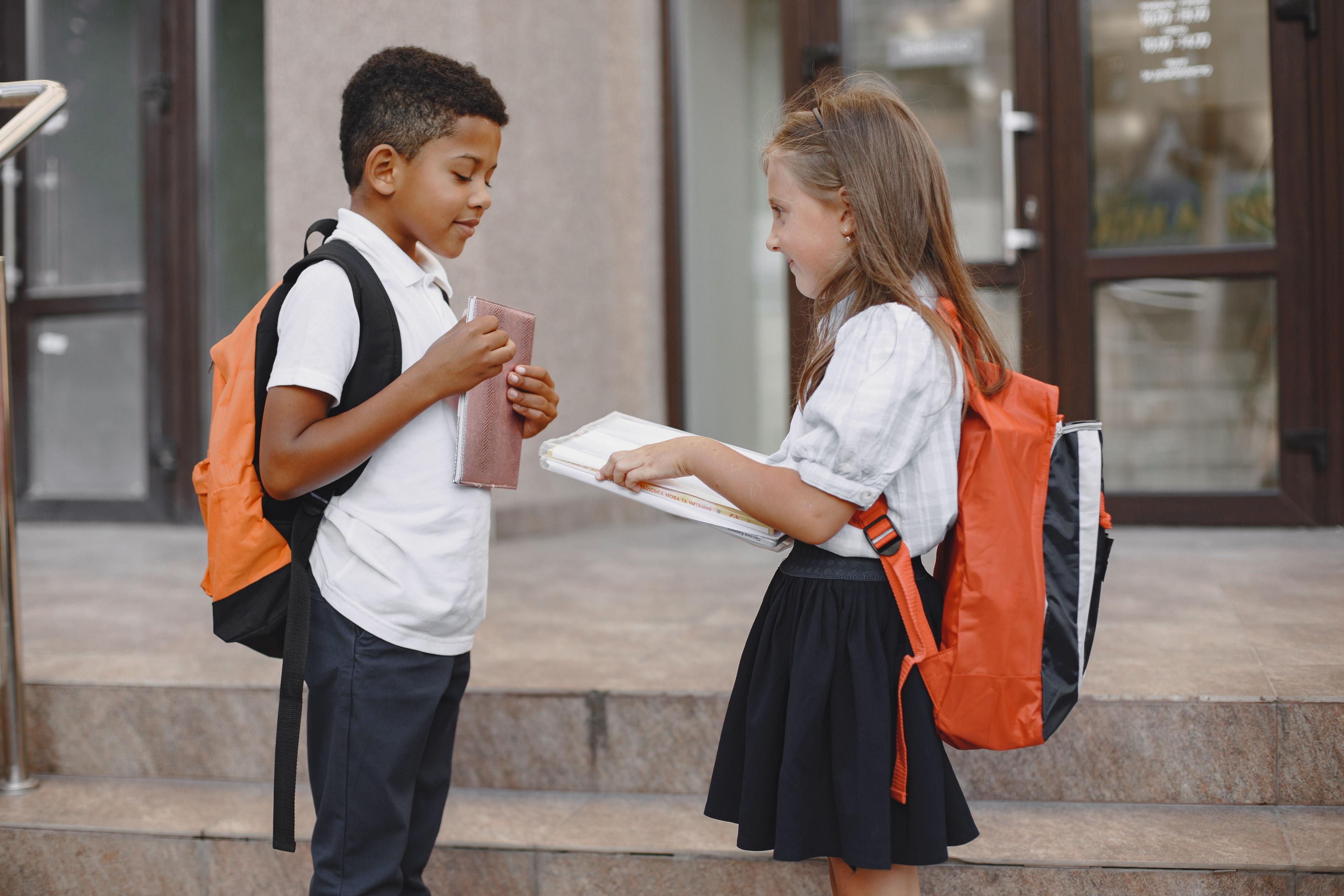
Understanding the Empathy Gap in Today's Home
In a fast-paced culture packed with hyper-stimulating digital media, modern children often face an uphill battle when it comes to developing deep social awareness. When the entire world is optimized for instant personal gratification, the quiet skills of perspective-taking and emotional literacy frequently get pushed aside.
Over time, failing to model real emotional curiosity can leave children struggling to decode non-verbal social cues and ill-equipped to handle playground conflict with confidence.
★★★★★ 1M+ happy customers
Our best conversation starters for romantic questions for couples

The High Cost of Surface-Level Conversations
Left unchecked, a lack of intentional communication creates downstream issues that impact a child’s entire social and emotional development. When daily interaction remains purely surface-level, children frequently struggle to manage intense feelings, often resulting in escalating sibling rivalry or deep-seated anxiety that they cannot articulate.
Without practicing active empathy at home, children may find it difficult to spot toxic friends or stand up safely against school bullying as they age into middle school.
This conversational disconnect makes it incredibly easy for families to grow apart, turning a once-communicative household into a collection of individuals living together like roommates under one roof.
Building Emotional Vocabulary Without the Lecture
Cultivating a kind heart does not require complex therapeutic strategies or hours of exhausting, high-friction lectures that feel like a test to young minds. By integrating short, empathetic check-ins into your existing family dynamic, you can naturally give your children the exact vocabulary they need to confidently express their big feelings. Shifting away from standard questions like "How was your day?" toward thoughtful conversation starters creates a secure environment where every family member feels heard, valued, and safe. These structured, no-pressure prompts act as an effortless analog bridge to deep household bonding, smoothly showing your kids how to navigate life's inevitable emotional hurdles with resilience.
A Complete Table Transformation
"Our dinners used to be completely silent or filled with arguments over screen time rules. Using these prompt cards completely shifted our family dynamic, getting my quiet child to talk openly about her classmates' perspectives."
Jody J
Simple Habits for Kind Hearts
"I wanted to focus on character building with my son but never knew where to start. These empathy questions for kids make it incredibly simple to practice daily perspective-taking during our short school commute."
Barry C
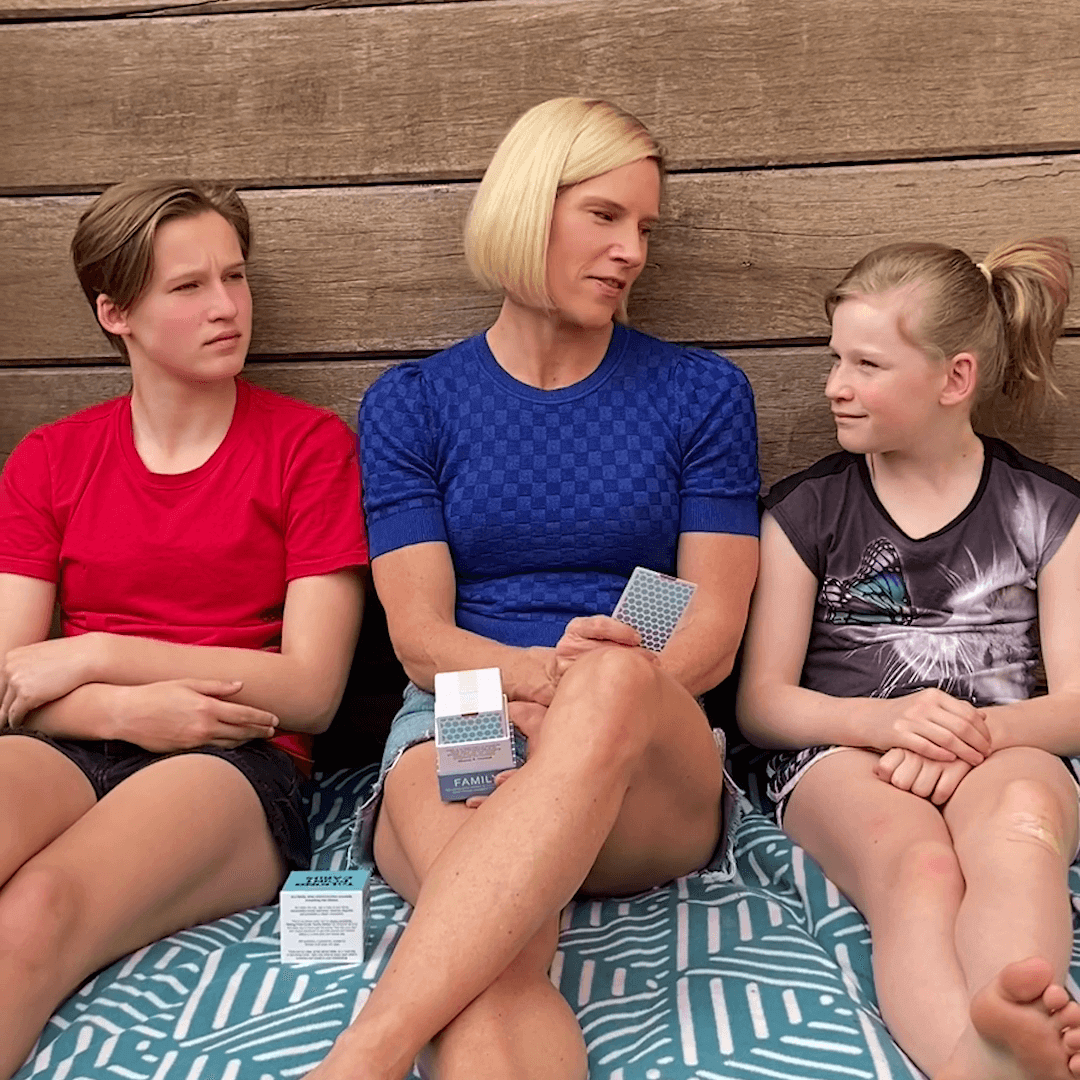
Give Your Kids the Gift of Lifelong Compassion
You do not have to struggle through awkward silences or battle digital screens just to connect with your children on a deeper emotional level. The Family Pack offers a practical, highly engaging toolkit specifically designed to bring your household together and transform routine table talk into exceptional character-building opportunities. Equip your children with the vital perspective-taking skills they need to step into a busy world with kindness, confidence, and genuine care for others.
Frequently asked questions
60-day hassle-free returns
Ready to give Talking Point Cards a try? We think you’ll love them, but if not, you’ve got 60 days to return them for free.