- United States (USD $)
 Best Sellers


 All products
 Shop by category


 Bundles
✦
Help me choose
Take the quiz [1 min.]
Bundles
✦
Help me choose
Take the quiz [1 min.]

Discussing Bullying Safely and Building Good Friendships
Ensure your child knows how to handle playground drama, spot toxic friendships, and stand up for themselves.

>
>
TL;DR
-
Spot toxic playground dynamics early.
-
Build emotional resilience through dialogue.
-
Teach safe, confident bullying boundaries.
-
Foster deeply loyal childhood friendships.
What questions can I ask my child to help them handle school friendships and bullying?
To help your child navigate school friendships and bullying, ask open-ended questions that focus on social comfort, peer treatment, and boundary setting. Discussing specific playground scenarios allows children to safely identify toxic behaviors, process emotional distress, and develop the confidence to stand up to social pressure. This consistent communication transforms feelings of isolation into a clear, actionable plan for healthy peer relationships.
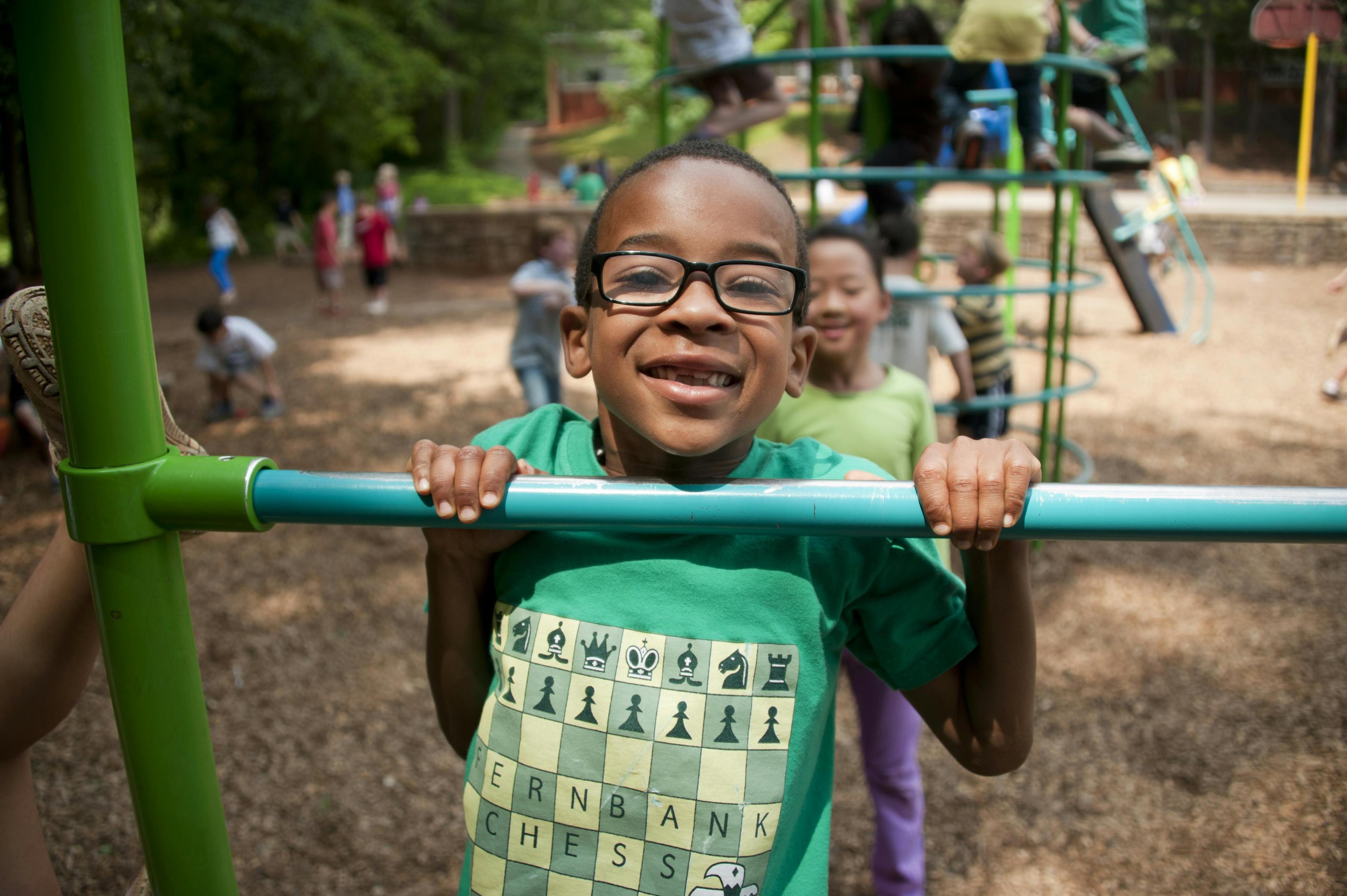
Navigating Playground Drama with Confidence
Childhood social circles can change in a single recess, leaving many kids feeling deeply overwhelmed by sudden playground drama or peer isolation. When a child faces exclusion, casual teasing, or confusing behavior from classmates, they rarely possess the emotional framework to process it alone. Instead of opening up, they often shut down, carrying the heavy weight of social anxiety into the classroom.
As parents, relying on broad queries like "how was your day" frequently results in defensive, one-word answers that mask their true playground experiences. Without targeted, gentle intervention, these small daily stresses quietly chip away at a child's foundational self-esteem and enthusiasm for learning.
★★★★★ 1M+ happy customers
Our best conversation starters for romantic questions for couples
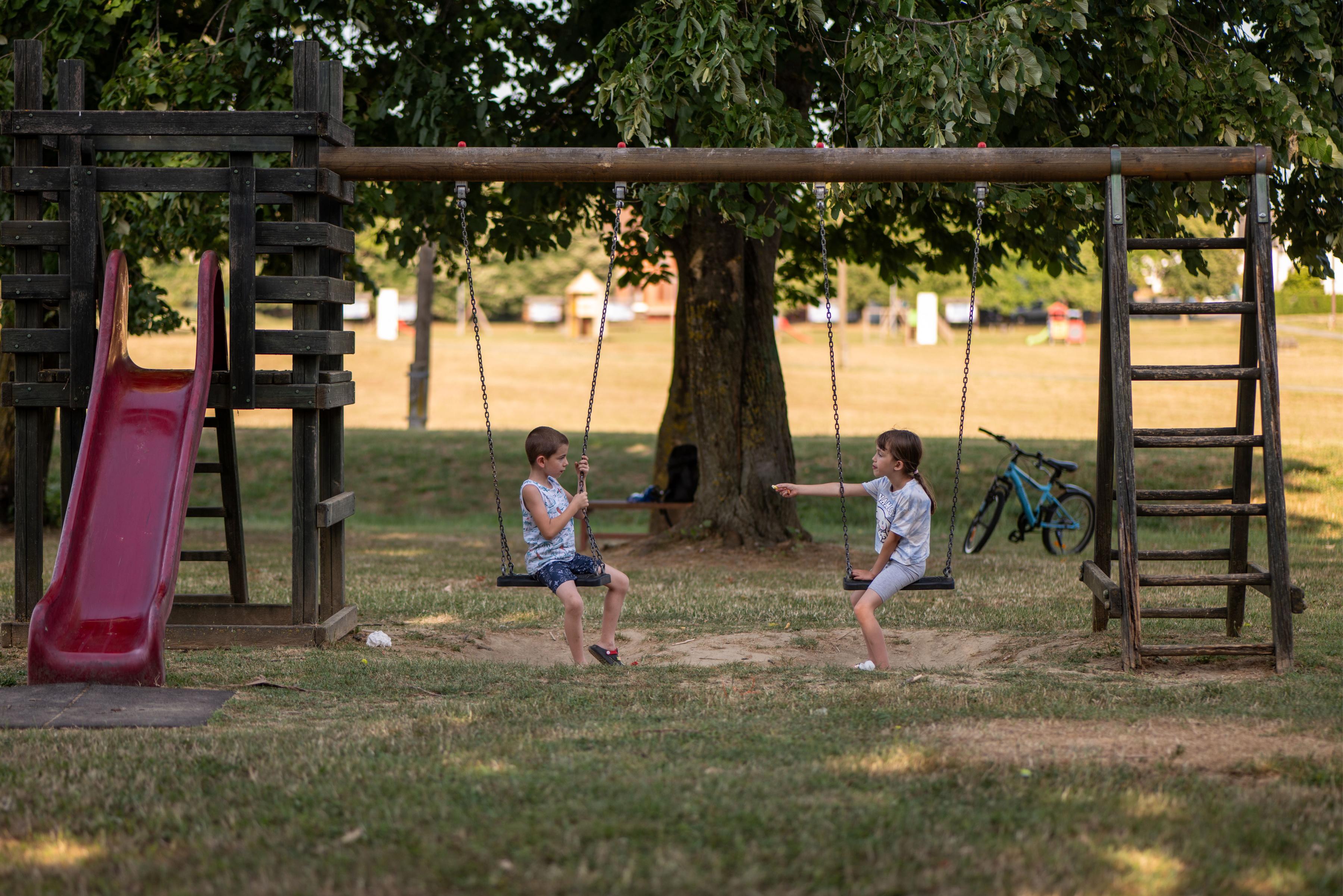
The Downstream Toll of Chronic Social Stress
Left unaddressed, small playground misunderstandings can rapidly spiral into severe, ongoing school bullying conversations that alter a child’s long-term emotional well-being. A child who feels unprotected or confused by toxic peers will often begin dreading their daily morning routine, viewing school as a hostile environment rather than a safe space for growth.
These continuous social struggles can cause deep downstream issues, shifting a child's internal narrative from healthy curiosity to permanent defensiveness. A lack of supportive communication makes it difficult for them to recognize true empathy, causing them to withdraw entirely from forming childhood friendships.
Building an Emotional Toolkit for Lifelong Resilience
Protecting your child's emotional health requires shifting away from stressful, interrogation-style questioning and creating a regular, low-friction space for genuine connection. By introducing focused friendship questions kids can easily grasp, you show them that their worries are completely valid and that they never have to face social hurdles alone. You can seamlessly transform your daily commute or evening routine into a soothing ritual where complex social dynamics are untangled together without any judgment. Opening this continuous line of communication ensures your child develops the internal strength, grit, and boundary-setting tools necessary to navigate the playground safely.
A complete turnaround at the dinner table
"Our ten-year-old was coming home quiet and defensive, completely shutting down whenever we asked questions about school. Using these cards completely removed the pressure, and he casually opened up about a playground exclusion issue we were able to help him solve the next day."
Benson B
Gave my daughter her voice back
"I was terrified my daughter was quietly enduring mean-girl drama without telling us. These gentle prompts helped her identify a highly toxic friendship on her own and gave her the exact words she needed to confidently stand up for herself."
Jenn S
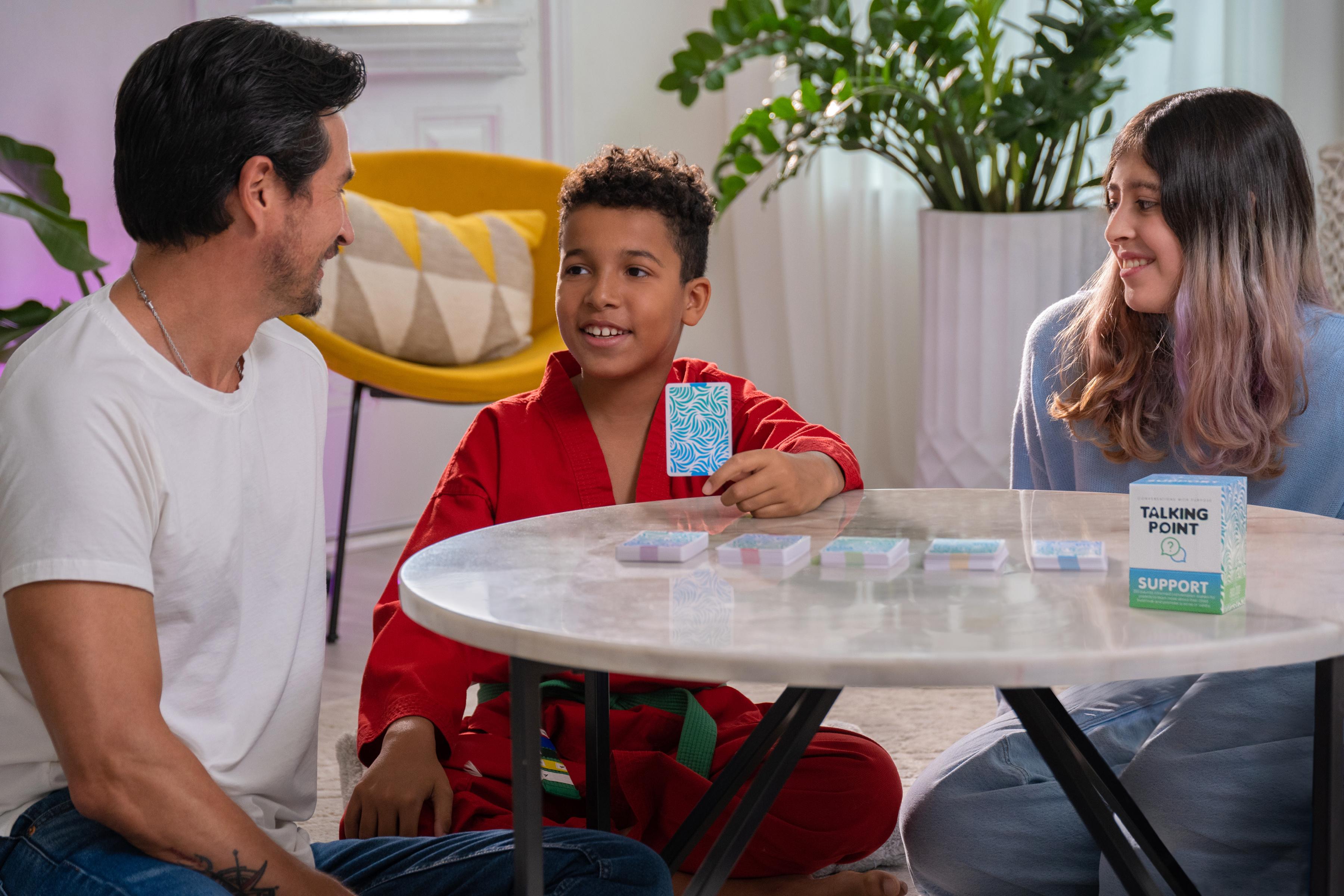
Empower Your Child to Navigate Social Spaces Safely
Do not let your child carry the heavy burden of playground drama, toxic peer pressure, or hidden bullying in silence. Equip them with the ultimate emotional toolkit to express their big feelings, spot fake behavior, and build lifelong, loyal relationships with confidence. Get your deck today to build a safe, communicative home where your child always feels heard, protected, and deeply understood.
Frequently asked questions
60-day hassle-free returns
Ready to give Talking Point Cards a try? We think you’ll love them, but if not, you’ve got 60 days to return them for free.