- United States (USD $)
 Best Sellers


 All products
 Shop by category


 Bundles
✦
Help me choose
Take the quiz [1 min.]
Bundles
✦
Help me choose
Take the quiz [1 min.]

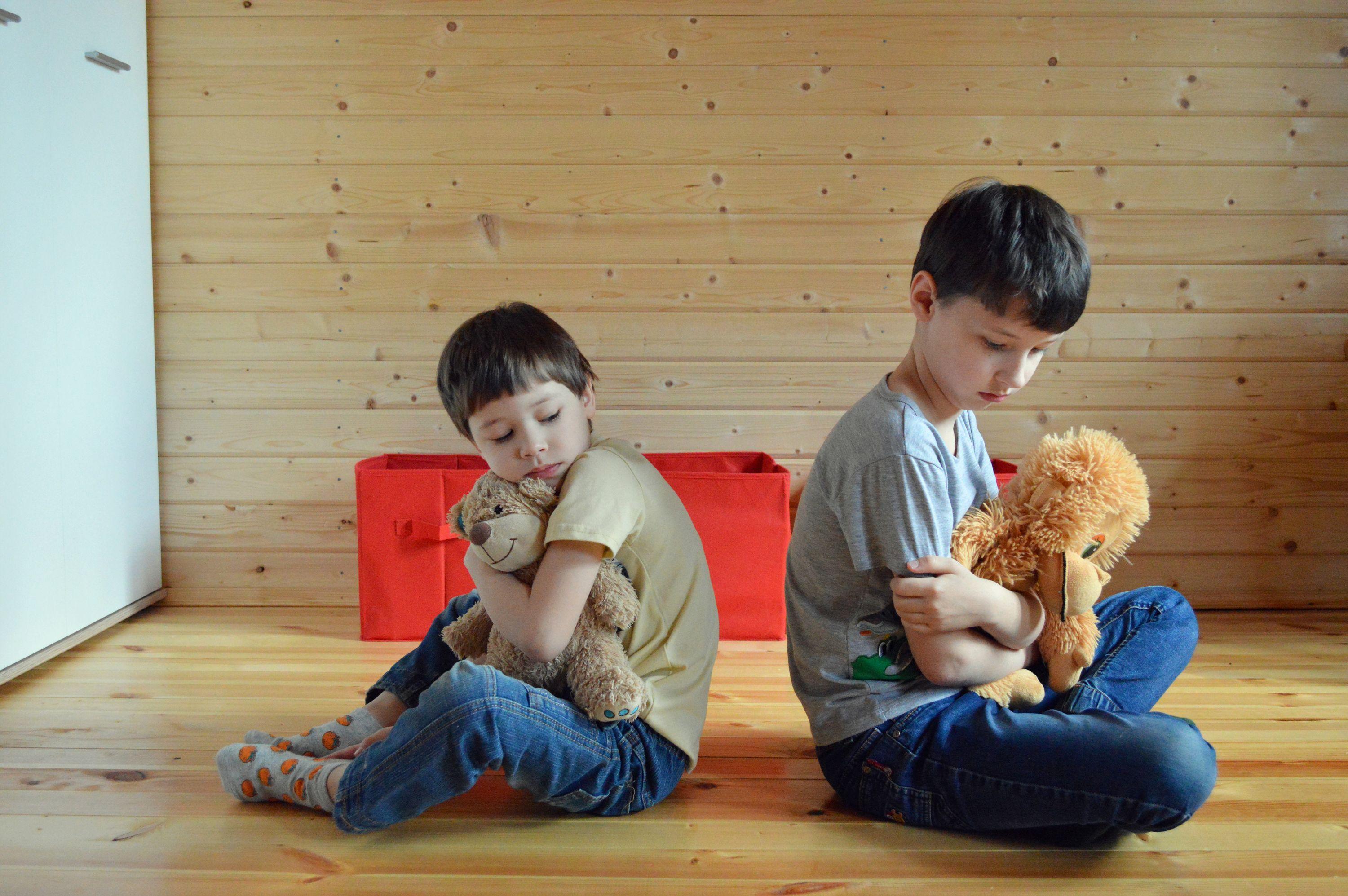
Teaching Kids to Talk and Resolve Household Fights
Step out of the referee role. Give your children the tools they need to solve their own fights peacefully.
>
>
TL;DR
-
Step out of the constant referee role permanently.
-
Equip children with lifelong emotional intelligence skills.
-
Build natural sibling bonding during daily routines.
-
Foster sharing and caring kids without yelling.
How can I help my kids resolve sibling fights and build a better bond?
To help children resolve sibling fights and foster lifelong sibling bonding, parents must shift from active referees to emotional coaches who teach active listening and cooling-off strategies. By replacing external arbitration with structured conversation tools, children learn to express their core needs securely, transforming daily friction into collaborative problem-solving opportunities. This intentional shift calms the immediate household chaos while healing emotional undercurrents, guiding brothers and sisters into a natural, lifelong friendship built on mutual respect.

Overcoming the Bedside Battles and Living Room Referees
Every parent knows the exhausting ring of the household alarm: two voices screaming over a shared toy, a perceived injustice, or a boundary crossed in the living room. It is incredibly tempting to rush in, dictate a penalty, and force a hollow apology just to restore the peace.
However, constantly acting as the household referee inadvertently strips your children of the chance to develop natural communication skills, keeping them dependent on your intervention. When we manage every minor friction, we fail to teach them how to express vulnerability or respect another person's perspective.
Over time, this unresolved tension can erode their connection, turning temporary bickers into deeply ingrained resentment that damages their emotional health.
To truly change this dynamic, parents need to explore strategic parenting questions that encourage self-reflection rather than defensive shouting matches.
★★★★★ 1M+ happy customers
Our best conversation starters for romantic questions for couples

Breaking the Cycle of Constant Referees and Forced Apologies
When household bickering goes unchecked, the downstream issues quickly spill into every other area of family life. The constant hostility strains the marriage, turns family dinners into silent battlegrounds, and leaves parents feeling entirely depleted at the end of the day.
Children who do not learn healthy boundary management at home often carry those toxic patterns into the classroom, struggling with playground drama or closing themselves off entirely from making deep connections. If you find your family dynamic fracturing under the weight of constant arguments, it is often a sign that everyone is operating on an empty emotional tank.
Taking a moment to learn how to build lasting trust and strong family connections can help rebuild the foundational security your household needs to thrive.
Transforming Conflict Into Real Connection and Empathy
Shifting away from the referee role does not mean leaving your children to fight it out alone. It means introducing a low-friction, structured way for them to slow down, identify their big feelings, and listen to each other with genuine empathy. True healing happens when conflict becomes a pathway to understanding rather than a battle to be won. When you give them a reliable conversational framework, you give them the confidence to step forward and fix their own mistakes. Over time, this practice naturally transforms their dynamic, turning defensive rivals into sharing and caring kids who protect and support one another. If you have younger children who struggle to find the right words during these tense moments, combining these strategies with proven tips on how to teach your kids to express their feelings confidently will provide the perfect emotional foundation.
No More Refereeing
"I used to spend my entire evening breaking up fights between my ten and twelve-year-olds. After using these cards for a few weeks, I actually caught them sitting on the floor working out a boundary issue completely on their own without shouting."
Ron B
Deep Healing for My Boys
"My sons have always struggled with sibling rivalry, especially after switching to a new school. These prompts gave them a safe way to admit they were just stressed, which completely shifted how they treat each other."
Jennifer S
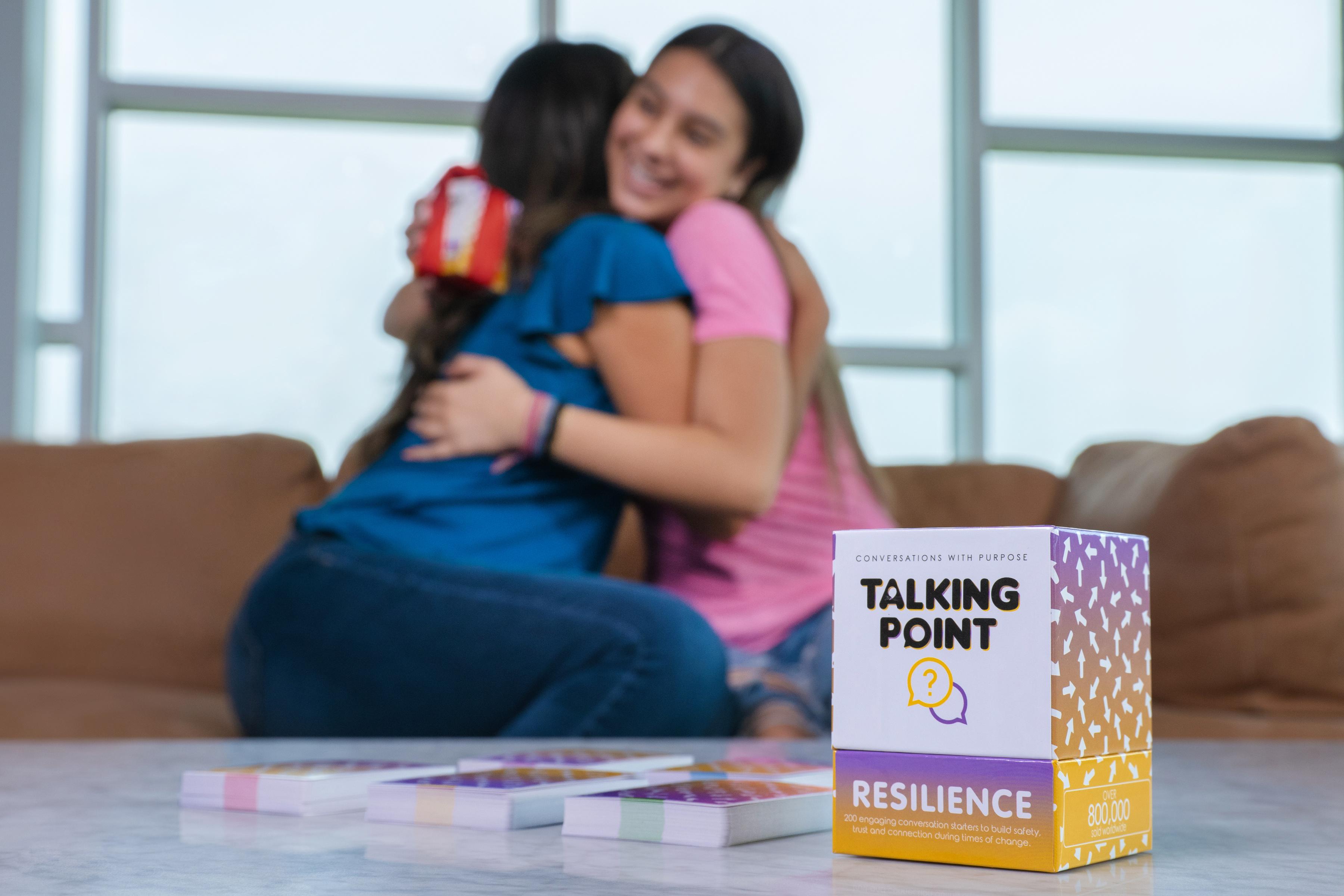
Give Your Kids the Lifelong Gift of Conflict Resolution
You do not have to spend your parenting years managing constant household wars or policing forced, insincere apologies. Step out of the referee chair permanently and give your children the practical communication tools they need to build an unbreakable bond. By introducing structured, empathetic conversation habits into your home today, you are equipping your children with the emotional intelligence, grit, and boundary-setting skills they will use for the rest of their lives. Invest in their relationship and bring lasting peace back to your living room.
Frequently asked questions
60-day hassle-free returns
Ready to give Talking Point Cards a try? We think you’ll love them, but if not, you’ve got 60 days to return them for free.